Comic Book Style Backgrounds: Beyond the Font
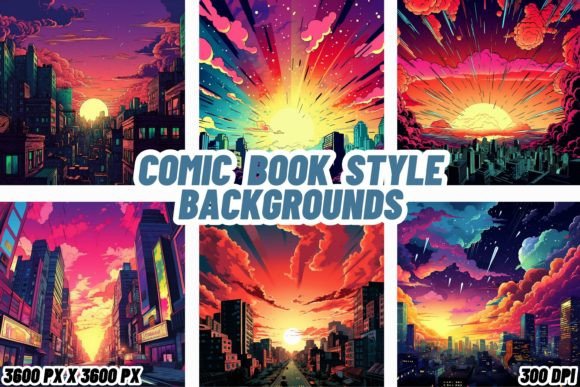
We often obsess over typography when building a visual identity, hunting for the perfect serif font for body copy or a sleek sans serif font for UI. However, the environment in which that text lives is just as critical. If you are working on a project that requires high energy, nostalgia, or a distinct pop-culture edge, standard solid colors or subtle gradients won't suffice. You need the raw power of Comic Book Style Backgrounds. These aren't just static images; they are a curated collection of 12 high-definition digital assets designed to inject the kinetic energy of visual storytelling into your workspace.
The Visual DNA of Comic Book Art
Understanding the appeal of these backgrounds requires looking at the specific design language of the medium. Comic book art is defined by its refusal to be quiet. When you use these design assets, you are introducing specific visual characteristics that have been refined over decades of publishing.
- High Contrast and Bold Outlines: Unlike the soft, blended aesthetics of modern web design, comic art relies on heavy black outlines and stark color blocking. This creates immediate visual hierarchy, ensuring that anything placed in the foreground—whether it is a logo or a video call participant—pops against the background.
- Dynamic Textures: Look closely at a comic panel, and you will see the texture. Whether it is the grain of newsprint or the intricate cross-hatching used to create shadow, these Comic Book Style Backgrounds offer a tactile quality that flat digital design often lacks.
- Expressive Color Theory: The palette is rarely accidental. You will find the classic "CMYK" misregistration effects, Ben-Day dots, and vibrant primary colors that evoke a sense of action and urgency.
For the designer or content creator, this style offers a break from the "clean and corporate" aesthetic. It brings personality and a human touch that resonates with audiences looking for authenticity and fun.
Practical Applications for Modern Professionals
You might wonder how a comic book style fits into a professional workflow. The versatility of these backgrounds lies in their ability to signal specific brand traits: creativity, boldness, and approachability. Here is how different sectors can leverage this style:
1. Digital Presence and Remote Work
Virtual fatigue is real. A standard background is forgettable, but a dynamic comic panel can spark conversation during a Zoom call. For marketers and entrepreneurs, using a stylized background signals that you are creative and not afraid to stand out. It serves as a subtle piece of personal branding.
2. Social Media and Content Marketing
Algorithms favor engagement, and bold visuals stop the scroll. These HD images are perfect for the backing of quote graphics, announcement posts, or video thumbnails. If you are a blogger or podcaster, using these backgrounds for your audiograms or Instagram stories creates a consistent, recognizable series that followers can instantly identify.
3. Branding and Packaging
If you are a small business owner selling products aimed at gamers, hobbyists, or a younger demographic, the comic aesthetic is powerful. It works exceptionally well for packaging design inserts, thank-you cards, or loyalty program visuals. It tells the customer that your brand doesn't take itself too seriously, which builds trust and rapport.
4. Editorial and Publishing
For those in editorial design, these backgrounds can serve as chapter openers, pull-quote backgrounds, or website headers for specific categories. They provide a break from the monotony of text-heavy pages, guiding the reader's eye and refreshing their attention span.
Integrating Backgrounds with Typography
Using a busy background requires a strategic approach to typography to maintain readability. You cannot simply throw a handwritten font or a delicate script font over a complex illustration and expect it to work. Here is how to ensure your message is heard:
- Font Pairing Strategy: Because the backgrounds are expressive, your typography needs to be grounded. Pair these backgrounds with a bold, heavy display font for headlines. For body text, avoid ornate styles; stick to a highly legible modern typography sans serif. The contrast between the chaotic background and the clean text will actually improve readability.
- Utilize Overlays: Don't place text directly on the busiest part of the image. Use semi-transparent color overlays or "scrims" to darken the area behind your text. This ensures your brand identity remains professional and legible.
- Color Coordination: Since these backgrounds use vibrant palettes, pull your text colors directly from the image. If the background features a "Pow!" in yellow, use that yellow for your call-to-action buttons or subheadings. This creates a cohesive visual hierarchy.
Selecting and Testing Your Assets
When you acquire these premium font companions and backgrounds, treat them like any other professional tool. Don't just download and apply; test them.
- Evaluate the "Noise" Level: Some backgrounds are full-bleed illustrations, while others might be textures (like paper grain). Choose the level of intensity that matches the reading environment. A texture is better for long-form reading, while a full illustration works for a splash page or landing screen.
- Check Resolution: The "HD" quality is vital here. Comic book style relies on crisp lines. If you stretch a low-res image, the lines become muddy, and the effect is ruined. Ensure the 12 images provided cover the necessary aspect ratios for your devices.
- Consistency is Key: If you are using these for a series of social media posts, map out which background corresponds to which content pillar. Using a specific color scheme for "Tips" and a different one for "Testimonials" helps your audience navigate your content intuitively.
Final Thoughts
Visual storytelling is about more than just what you say; it's about the atmosphere you create. By incorporating Comic Book Style Backgrounds into your toolkit, you are borrowing a visual language that is universally recognized and deeply engaging. Whether you are refreshing your desktop, spicing up a client presentation, or launching a new web design project, these assets provide the perfect canvas for creativity. Move beyond the flat, the boring, and the expected—let your digital space tell a story worth reading.